
"1960s coffee"
600 article(s) found

Cultivation conditions in Nicaragua SHG grade the most classic flavor of traditional coffee varieties
The global trend of modern coffee has gone through three popular stages: the first stage is the popularity of cheap coffee represented by instant coffee from the post-World War II to the 1960s; the second stage is the popularity of commercial coffee represented by Starbucks from the 1960s to the beginning of this century; the third stage is the popularity of boutique coffee, which originated in the 1970s and has become a trend in the past decade.

Panamanian Arida Estate Coffee Bean Flavor Description Grind Scale Treatment Variety Introduction
Emerald Manor became famous for its Geisha variety. Rose seeds were discovered in 1931 in Ethiopia's rose forests and sent to coffee research institutes in Kenya; they were later introduced to Uganda, Tanzania and Costa Rica, all with mediocre results. It was not until the 1960s that it was transplanted to Panama and survived nearly half a century before it became a blockbuster. 2005, 2006 and 2007

Fine coffee Learn Yunnan traditional coffee processing techniques
Yufa, which opened in the 1960s and has a history of more than 50 years, is like stepping into a time tunnel. The machines displayed and used in the store have been used for more than half a century, and the old appliances have recovered their old flavor. Fang found that old appliances are not purely nostalgia, but the accumulation of traditional wisdom of the older generation. Homemade coffee originated from a Hainan master and has been handed down to this day. It is also the main coffee supplier boss of the old villagers in the town.
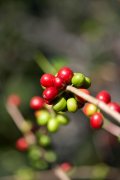
Mexican Coffee Mexico Coffee is a big producer of machine coffee in the Vivetenango region of Guatemala.
The global trend of modern coffee has gone through three popular stages: the first stage is the popularity of cheap coffee represented by instant coffee from the post-World War II to the 1960s; the second stage is the popularity of commercial coffee represented by Starbucks from the 1960s to the beginning of this century; the third stage is the popularity of boutique coffee, which originated in the 1970s and has become a trend in the past decade.

A brief introduction to the history and culture of the origin and development of boutique coffee beans at Jensen Manor in Panama
Feicui Manor is famous for its Geisha variety. Rose summer seeds were discovered in the rose summer forests of Ethiopia in 1931 and sent to the Coffee Institute in Kenya, and then introduced to Uganda, Tanzania and Costa Rica, all mediocre. It was not until it was transplanted to Panama in the 1960s that it became a blockbuster after nearly half a century. 2005, 2006 and 2007

Characteristics of Panamanian Coffee introduction to Panamanian Coffee
Feicui Manor is famous for its Geisha variety. Rose summer seeds were discovered in the rose summer forests of Ethiopia in 1931 and sent to the Coffee Institute in Kenya, and then introduced to Uganda, Tanzania and Costa Rica, all mediocre. It was not until it was transplanted to Panama in the 1960s that it became a blockbuster after nearly half a century. 2005, 2006 and 2007

Visiting the traditional Coffee processing techniques in Yunnan
Yufa, which opened in the 1960s and has a history of more than 50 years, stepped into the store as if it had stepped into a time tunnel. The machines displayed in the shop have been used for more than half a century, and the old appliances have found their old flavor. Fang found that the old appliance is not only a kind of nostalgia, but also the accumulation of traditional wisdom of the older generation. Since the spread of self-made coffee from a Hainan chef, the boss of the main coffee supplier to the old villagers in the town has insisted
Coffee Technology traditional Coffee processing techniques in Yunnan
Yufa, which opened in the 1960s and has a history of more than 50 years, stepped into the store as if it had stepped into a time tunnel. The machines displayed in the shop have been used for more than half a century, and the old appliances have found their old flavor. Fang found that the old appliance is not only a kind of nostalgia, but also the accumulation of traditional wisdom of the older generation. Since the spread of self-made coffee from a Hainan chef, the boss of the main coffee supplier to the old villagers in the town has insisted
Traditional Coffee processing techniques in Yunnan Coffee Bean processing
Yufa, which opened in the 1960s and has a history of more than 50 years, stepped into the store as if it had stepped into a time tunnel. The machines displayed in the shop have been used for more than half a century, and the old appliances have found their old flavor. Fang found that the old appliance is not only a kind of nostalgia, but also the accumulation of traditional wisdom of the older generation. Since the spread of self-made coffee from a Hainan chef, the boss of the main coffee supplier to the old villagers in the town has insisted

General knowledge of Coffee traditional Coffee processing techniques in Yunnan
Yufa, which opened in the 1960s and has a history of more than 50 years, stepped into the store as if it had stepped into a time tunnel. The machines displayed in the shop have been used for more than half a century, and the old appliances have found their old flavor. Fang found that the old appliance is not only a kind of nostalgia, but also the accumulation of traditional wisdom of the older generation. Since the spread of self-made coffee from a Hainan chef, the boss of the main coffee supplier to the old villagers in the town has insisted

Colombian coffee, the second largest coffee producer in Brazil.
The global trend of modern coffee has gone through three popular stages: the first stage is the popularity of cheap coffee represented by instant coffee from the post-World War II to the 1960s; the second stage is the popularity of commercial coffee represented by Starbucks from the 1960s to the beginning of this century; the third stage is the popularity of boutique coffee, which originated in the 1970s and has become a trend in the past decade.

Costa Rica American Coffee Powles Volcanic Region
The global trend of modern coffee has gone through three popular stages. The first stage is from World War II to the 1960s, when instant coffee is represented by cheap coffee; the second stage is from the 1960s to the beginning of this century, when Starbucks is represented by commercial coffee; and the third stage is from the 1970s and has become a trend in the past decade.

Cool and transparent Panamanian Coffee roasting degree, Grinding degree, Price and Flavor description
Feicui Manor is famous for its Geisha variety. Rose summer seeds were discovered in the rose summer forests of Ethiopia in 1931 and sent to the Coffee Institute in Kenya, and then introduced to Uganda, Tanzania and Costa Rica, all mediocre. It was not until it was transplanted to Panama in the 1960s that it became a blockbuster after nearly half a century. 2005, 2006 and 2007

Introduction of Coffee Bean Flavor description method in Erida Manor of Panama
Feicui Manor is famous for its Geisha variety. Rose summer seeds were discovered in the rose summer forests of Ethiopia in 1931 and sent to the Coffee Institute in Kenya, and then introduced to Uganda, Tanzania and Costa Rica, all mediocre. It was not until it was transplanted to Panama in the 1960s that it became a blockbuster after nearly half a century. 2005, 2006 and 2007

Introduction to the taste characteristics of Panamanian coffee with four-leaf clover flavor
China Coffee net Jade Manor is famous for its Geisha variety. Rose summer seeds were discovered in the rose summer forests of Ethiopia in 1931 and sent to the Coffee Institute in Kenya, and then introduced to Uganda, Tanzania and Costa Rica, all mediocre. It was not until it was transplanted to Panama in the 1960s that it became a blockbuster after nearly half a century. 2005 、 2

Panama Jensen Manor Geisha Sun-baked Coffee Flavor Description Processing Characteristics Taste Introduction
In 1931, Rose left the small mountain village with her sister, which had all her childhood memories, and was sold to various coffee merchants. After wandering through Kenya, Tanzania, Costa Rica and other countries, she came to Panama in the 1960s and settled on a hillside of Volcan Baru. In November 1964, Peterso, a banker,

Panamanian Coffee grindability treatment Variety taste Fine Coffee Bean characteristics Manor introduction
Feicui Manor is famous for its Geisha variety. Rose summer seeds were discovered in the rose summer forests of Ethiopia in 1931 and sent to the Coffee Institute in Kenya, and then introduced to Uganda, Tanzania and Costa Rica, all mediocre. It was not until it was transplanted to Panama in the 1960s that it became a blockbuster after nearly half a century. 2005, 2006 and 2007

Panamanian Jensen Village Horticultural Geisha Sun Coffee Flavor description treatment characteristics and taste introduction
In 1931 Rose Summer left the mountain village with all her childhood memories with her sister and was resold to various coffee merchants. After a wandering life in Kenya, Tanzania, Costa Rica and other countries, Rose Summer came to Panama in the 1960s and settled on a hillside of Volcan Baru volcano. In November 1964, Peterso was born as a banker.

The traditional coffee producing area has made a comeback and changed the way of fine coffee.
The story takes place in Puerto Rico. Puerto Rico used to be a major coffee producing area more than a century ago, but coffee production here has been declining for nearly half a century, and now it is only about 10 million pounds a year, a drop in the bucket compared with the past. the acreage of coffee fell from nearly 200000 acres in the 1960s to about 40,000 acres in 2010. At the same time, coffee exports are even more.

Introduction of Coffee Flavor description, Grinding scale and taste treatment of varieties in Jensen Manor, Panama
Feicui Manor is famous for its Geisha variety. Rose summer seeds were discovered in the rose summer forests of Ethiopia in 1931 and sent to the Coffee Institute in Kenya, and then introduced to Uganda, Tanzania and Costa Rica, all mediocre. It was not until it was transplanted to Panama in the 1960s that it became a blockbuster after nearly half a century. 2005, 2006 and 2007